LIGHT
Defining the
standard of light
for clean spaces
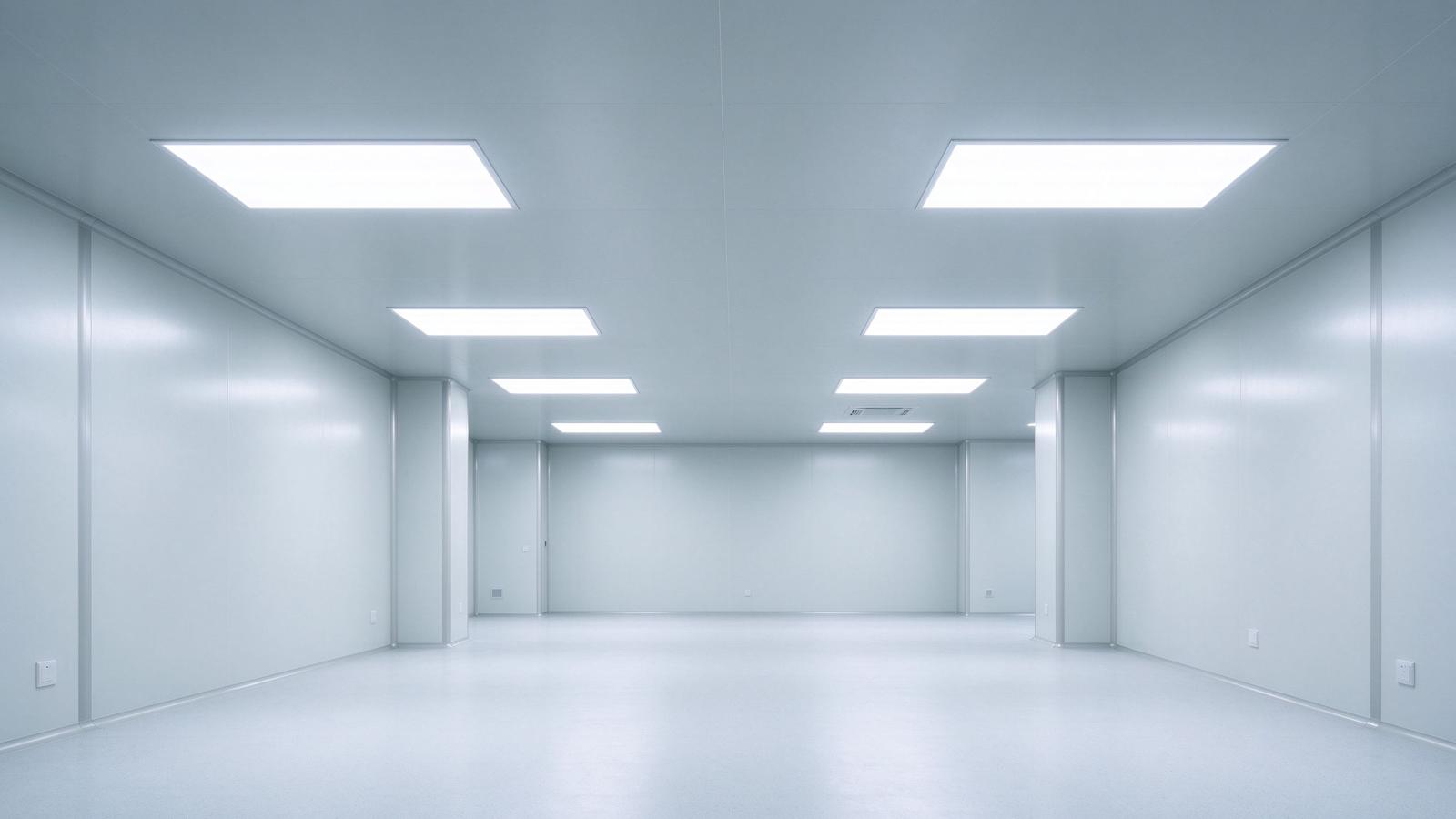
For 19 years, we have done only one thing — build lights that are truly clean. From SMT placement to full-lamp aging tests, every step is produced in-house. For every space that demands quality light, we deliver reliable lighting with clean light with high CRI, stable color temperature, long rated life.
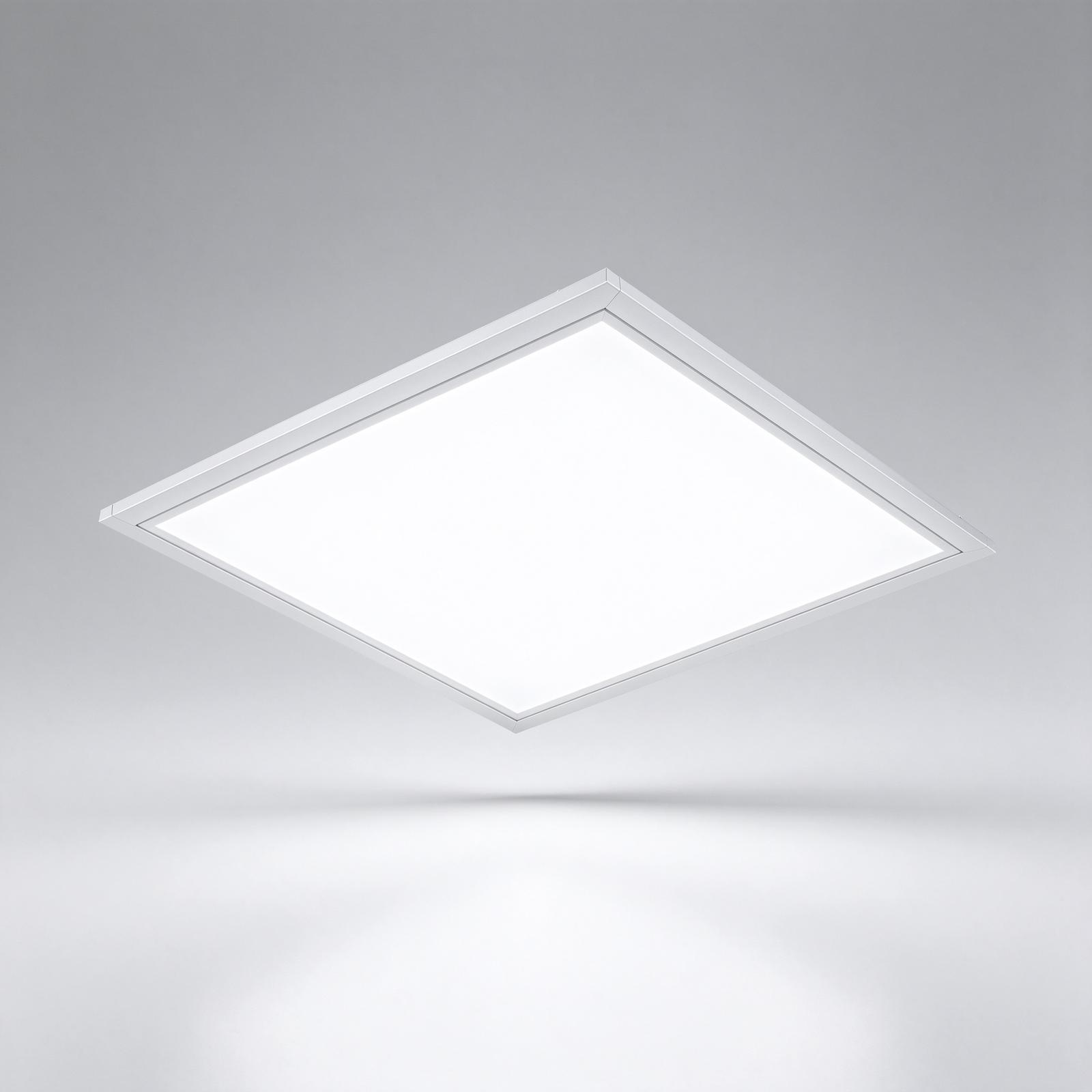
LED Cleanroom
Panel Lights
Screw-fixed and bracket-mounted versions, both flush with the cleanroom ceiling panels. Recessed lighting for semiconductor, biopharma, food processing and hospital cleanroom projects.
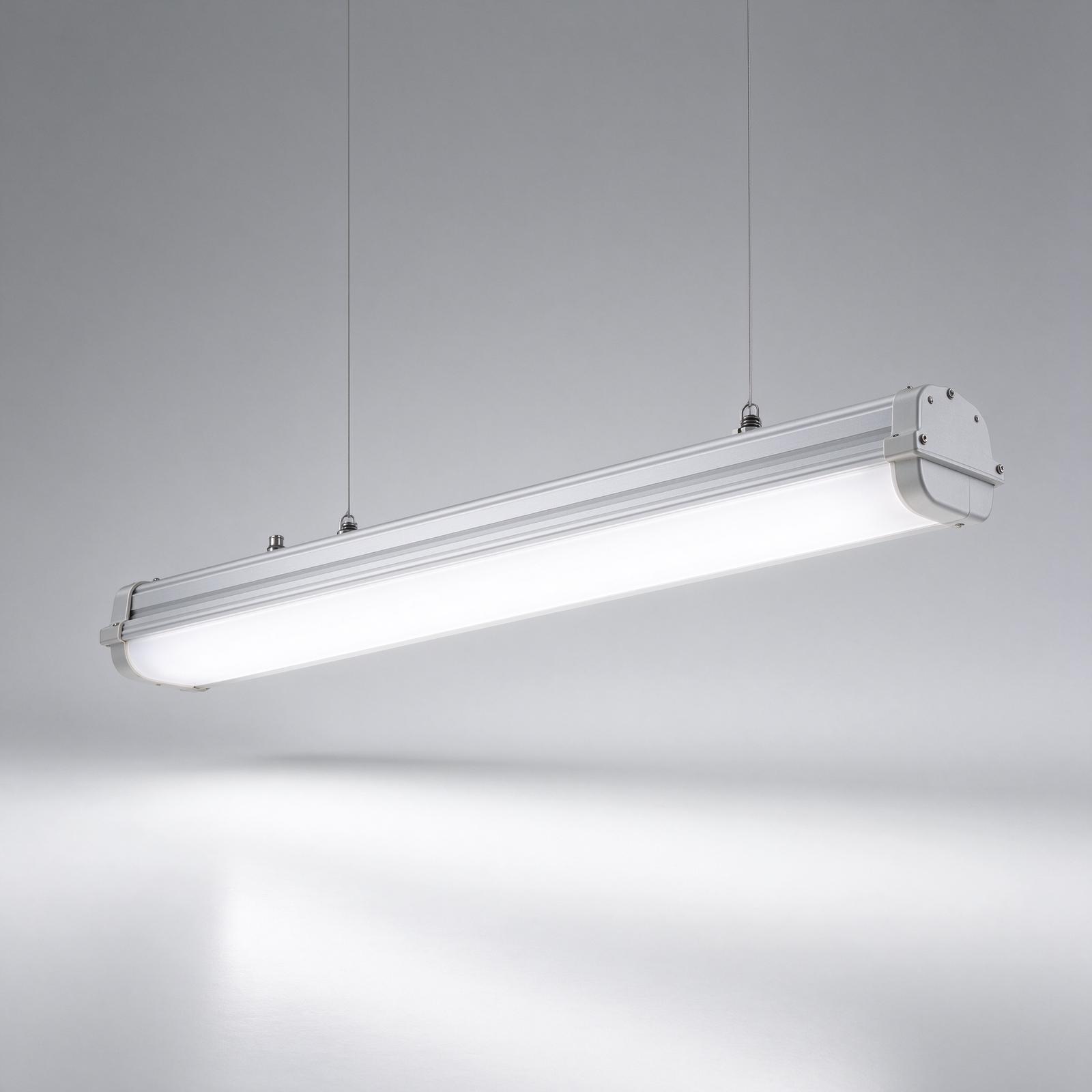
Tri-proof Lights &
Waterproof Tubes
Water-, dust- and corrosion-resistant for farms, textile mills and washdown areas. UV-filtered tubes protect exhibits and archives from fading.
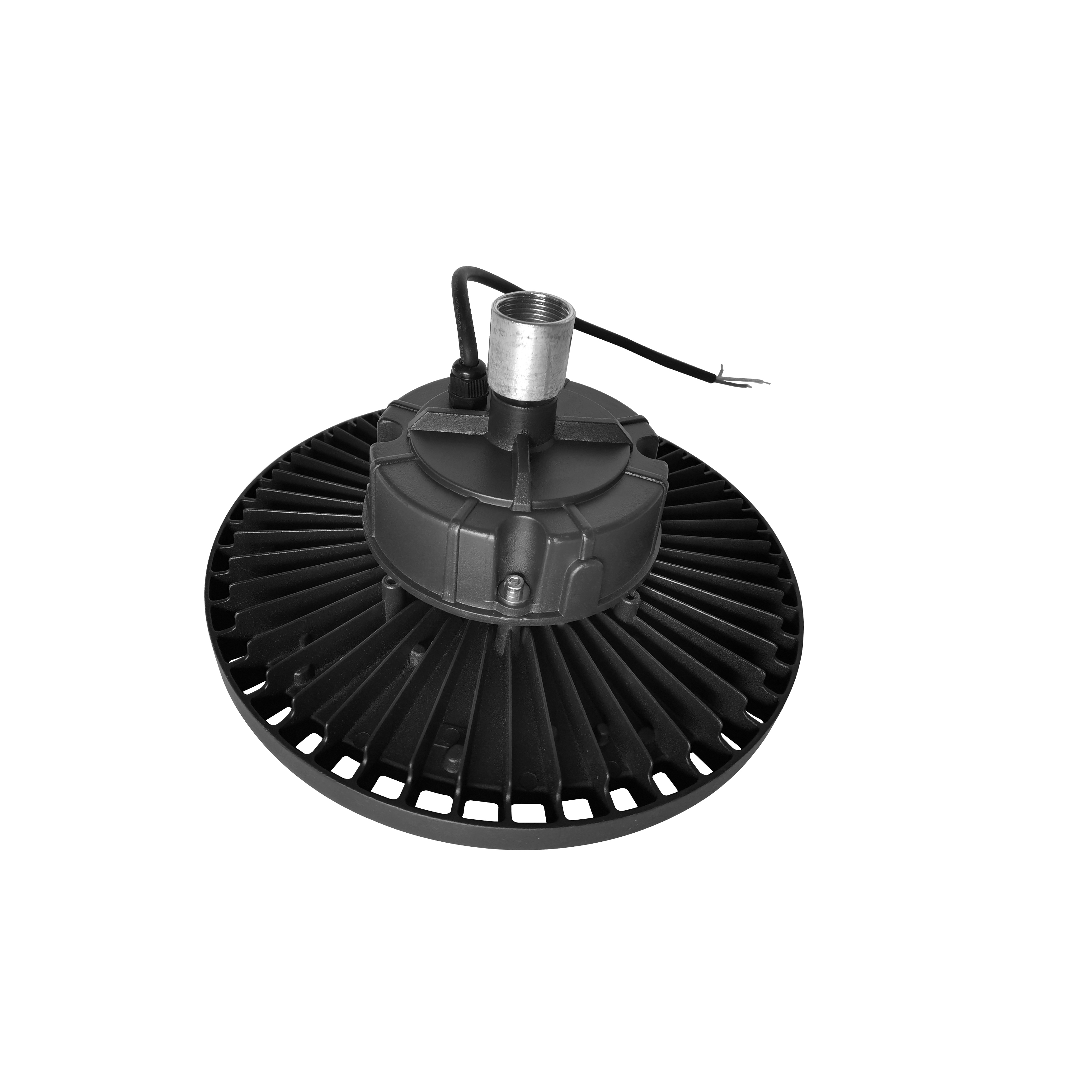
UFO High Bays
& High-Efficacy High Bays
Die-cast aluminum heat-sink fins, IP65 rated, pendant or chain mounting — built for plants, logistics warehouses and sports halls with high ceilings.
Lighting every space
that demands cleanliness.
Hospital Operating Rooms
Dust-free, easy to clean and glare-free; meets operating room and ward lighting standards.
Pharmaceutical GMP Workshops
UV-resistant and easy to disinfect; meets cleanroom standards for drug manufacturing.
Semiconductor Cleanrooms
High CRI and flicker-free; suits precision manufacturing and cleanroom class requirements.
Food Processing Plants
Tri-proof against moisture and dust; complies with food hygiene and HACCP standards.
Offices & Commercial Spaces
High-efficacy, energy-saving panel lights reduce power consumption with comfortable, glare-free light.
Warehouses & Logistics
UFO high bays and high-efficacy high bays cover large, high-ceiling spaces.
Questions engineers ask
What is a cleanroom light and how is it different from a normal LED panel?
A cleanroom luminaire is built to sit flush with the cleanroom ceiling panels, with a sealed, smooth, easy-to-disinfect housing that does not trap particles or disturb unidirectional airflow. Compared with a standard office panel it uses an isolated driver, a tighter sealed light path and a frame that mounts directly onto the ceiling grid, so the fitting becomes part of the cleanroom envelope rather than an object hanging in it.
How much illuminance does a cleanroom or GMP workshop need?
ISO 14644 governs particle cleanliness, not lighting, so the illuminance target comes from the project specification. In practice general cleanroom areas are commonly designed around 300-500 lux at working height and inspection or filling areas around 500-1000 lux, with uniformity above 0.7 and no visible flicker on camera inspection lines. Confirm the final value against your GMP validation protocol and a lighting calculation for the room.
Which BOWI product family fits a pharmaceutical GMP workshop?
For GMP workshops the usual starting point is the screw-type or bracket-type LED cleanroom panel, because both sit flush with the ceiling and leave a flat, cleanable surface. Areas that need disinfection-resistant surfaces move to the stainless-steel cleanroom panel, and solvent or powder handling rooms move to the explosion-proof cleanroom panel.
Why is yellow light used in photolithography and coating areas?
Photoresist and many UV-curable materials are sensitive to short-wavelength light, so yellow and amber luminaires are used to remove the blue and UV content that would otherwise expose the resist. The aim is to keep the emitted spectrum above roughly 500 nm while still delivering enough illuminance for operators to work and inspect wafers or masks.
What is a tri-proof light and where is it used?
A tri-proof fixture is sealed against water, dust and corrosion at once, which is why it is the default choice for food and beverage plants, cold storage, car parks, laundries and other wash-down or humid areas. BOWI tri-proof fixtures are designed for high-pressure cleaning environments where a standard panel would fail on ingress protection.
How do I choose UFO high bay wattage for my warehouse?
Wattage follows mounting height and the target lux, not floor area alone. As a starting point, 4-6 m ceilings usually land around 100-150 W with a wide beam, 8-10 m ceilings around 150-200 W with a 60-90 degree beam, and rack aisles are better served by narrower optics aimed along the aisle. Run a lighting calculation on the real rack layout before fixing quantities.
What does 230 lm/W system efficacy mean for running cost?
System efficacy is measured at the luminaire, so 230 lm/W means the whole fixture, driver included, turns 230 lumens of light out of every watt it draws. A simple comparison: 100 fixtures running 10 hours a day for a year consume 365,000 fixture-hours, so every 10 W saved per fixture removes about 36,500 kWh from the annual bill, which is why a higher-efficacy fixture pays back faster in 24-hour plants.
What certifications does BOWI Lighting hold and how do I get a datasheet?
Changzhou BOWI Electric Co., Ltd. has manufactured lighting since 2008 and holds ISO 9001 quality certification and CCC certification for its product line, with 18 patents and rated life up to 80,000 hours. Full model-level datasheets, IES files and quotations are issued per project: send your room layout, mounting type and target illuminance through the contact page and the engineering team replies with a selection and specification sheet.
Let light
be the standard.
Tell us your application — BOWI engineers will provide model selection and a quotation within 24 hours.